


Hermine Poitou is a French designer and creative professional best known publicly for her marriage to English actor David Thewlis. Thewlis gained worldwide recognition as Remus Lupin in the Harry Potter films and later earned critical acclaim for his role as V.M. Varga in Fargo. Poitou, by contrast, has maintained a remarkably low public profile, keeping much of her private life away from celebrity culture, red carpets, and entertainment media.
Public records also connect her to graphic design work, including a documented artistic project in Paris. Her story therefore sits between two worlds: design fame and film fame, offering an unusual example of a quiet creative life beside international celebrity.
Quick Bio
| Fact | Details |
| Full Name | Hermine Poitou |
| Nationality | French |
| Profession | Graphic designer and creative professional |
| Known For | Design work and marriage to David Thewlis |
| Spouse | David Thewlis |
| Marriage Year | 2016 |
| Marriage Date | August 2016 is publicly associated with the marriage |
| Husband’s Profession | English actor, director, screenwriter, and author |
| Husband’s Famous Role | Remus Lupin in the Harry Potter films |
| Notable Design Project | Aimé Césaire station fresco in Paris |
| Design Collaborator | Graphic designer Catherine Félix |
| Public Profile | Low profile, with limited verified personal information |
A Name Often Linked to David Thewlis
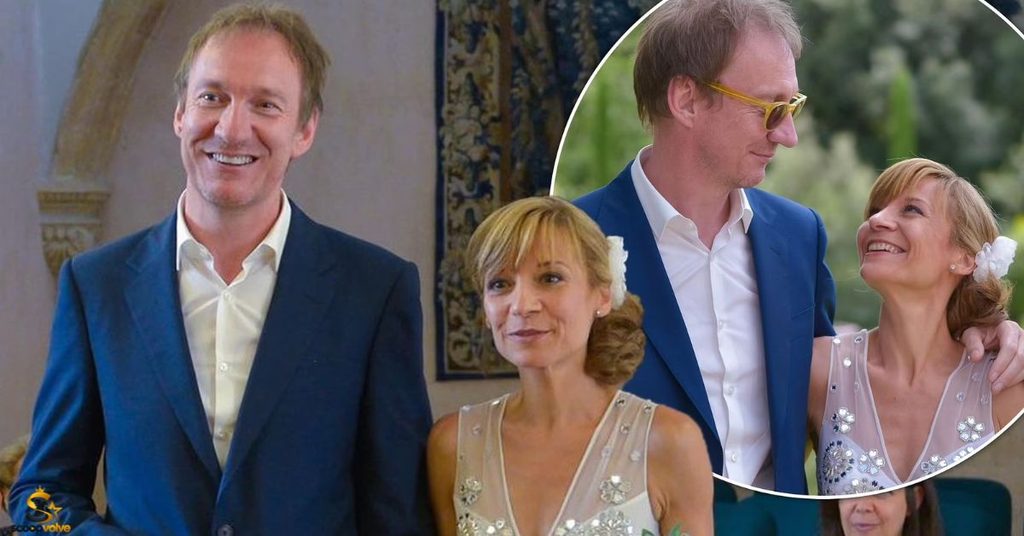
For many readers, the first search connection is Hermine Poitou David Thewlis wife. That association exists because People magazine reported that David Thewlis wed French designer Hermine Poitou in 2016. The relationship later attracted broader attention when Thewlis publicly referred to his wife and discussed their marriage in interviews.
The important point is that her public identity does not begin and end with marriage. She is described as a French designer and has a documented creative background. The available record is simply much smaller than that of her husband.
Thewlis has spent decades working in film and TV, while Poitou’s professional work has largely existed away from cameras, red carpets, interviews, and entertainment publicity. That difference explains why online searches can produce many questions but relatively few firmly established personal details.
Her marriage to Thewlis is nevertheless a confirmed part of her public story. People reported the couple married in 2016, while The Guardian later quoted Thewlis explaining that they had been together for around a decade and had married five years before that interview.
The Quiet Side of Creative Work
The story of Hermine Poitou French designer becomes more meaningful when it is considered through her professional identity rather than celebrity culture.
Design work usually operates differently from acting. A designer may contribute to an important project without becoming recognizable to the public. The finished work can receive attention while the person behind it remains largely unknown.
One particularly useful piece of evidence comes from Paris public transport authority RATP. Its documentation identifies Hermine Poitou and graphic designer Catherine Félix as creators of the large illustrated fresco associated with the Aimé Césaire station on Line 12. The work combines illustrations, motifs, and quotations connected with the Martinican writer and political figure Aimé Césaire.
That project matters because it provides institutional evidence of her creative work. It shows that her professional identity is not merely something repeated by celebrity websites.
A quiet creative career can involve:
- visual design and illustration;
- collaborative public-art projects;
- behind-the-scenes creative work;
- ideas developed without constant social-media promotion;
- professional recognition without celebrity-level visibility.
This is a different form of success. It is closer to quiet success than conventional fame.
David Thewlis and the Weight of Film Fame
The contrast becomes sharper when looking at David Thewlis’s public career. The Television Academy describes him as an English actor, director, screenwriter, and author. It also identifies his performance as Remus Lupin in the Harry Potter film series as his most commercially successful role and records his Emmy nomination for playing V.M. Varga in Fargo.
For millions of viewers, Thewlis is immediately recognizable through film and TV. His career includes acclaimed character work, voice work, writing, directing, and screen appearances across several decades.
His Harry Potter role is particularly significant. As Professor Remus Lupin, Thewlis became part of one of the world’s most recognizable fantasy franchises. That role created a public image that continues to influence how people search for him and the people around him.
His work in Fargo demonstrates another side of his career. His portrayal of V.M. Varga earned an Emmy nomination, reinforcing his reputation as a versatile character actor rather than someone known for only one franchise role.
Against that level of film fame, Poitou’s low public profile becomes even more noticeable.
Why Privacy Can Be a Strong Choice
The public record surrounding Hermine Poitou’s low profile is useful precisely because it shows how limited information can coexist with a successful creative identity.
Privacy does not necessarily mean secrecy. The distinction is important.
The Guardian reported that Thewlis objected to descriptions of his marriage as a “secret” ceremony. He explained that he had simply not made a major public announcement about it. He had been wearing a wedding ring and had mentioned his wife publicly.
That distinction offers a broader lesson about fame and privacy. A person can participate in a public relationship without making every aspect of their private life available for public consumption.
There is no need to guess why someone chooses a low profile. Unless the person has clearly explained those choices, speculation adds little value.
A private person may simply prefer:
- working without constant publicity;
- keeping family matters away from entertainment coverage;
- separating professional work from celebrity culture;
- appearing publicly only when necessary;
- allowing creative work to speak for itself.
The Problem With “Celebrity Wife” Articles
Searches for Hermine Poitou private life often produce biographies that focus heavily on her relationship with Thewlis. That is understandable because marriage is the strongest reason she appears in mainstream entertainment searches.
But it can also create a misleading picture.
Calling someone a celebrity wife may describe one part of their public connection, but it does not adequately describe their entire identity. In Poitou’s case, documented design work provides another professional dimension.
The problem with weak celebrity writing is that it can turn limited public information into an apparently complete biography. Writers may repeat uncertain claims about age, birthplace, education, family, wealth, daily life, or personal relationships simply because another website has already published them.
That is not reliable reporting.
A stronger approach is to distinguish between:
- confirmed public details;
- professionally documented work;
- statements made by the people involved;
- reasonable but unconfirmed claims;
- information that should remain private.
The phrase “Public details remain limited” is sometimes a more accurate answer than an invented paragraph.
Read More:Genevieve Gallen: Who Is She Beyond Troyer? 2026
Design Fame Is Not the Same as Film Fame
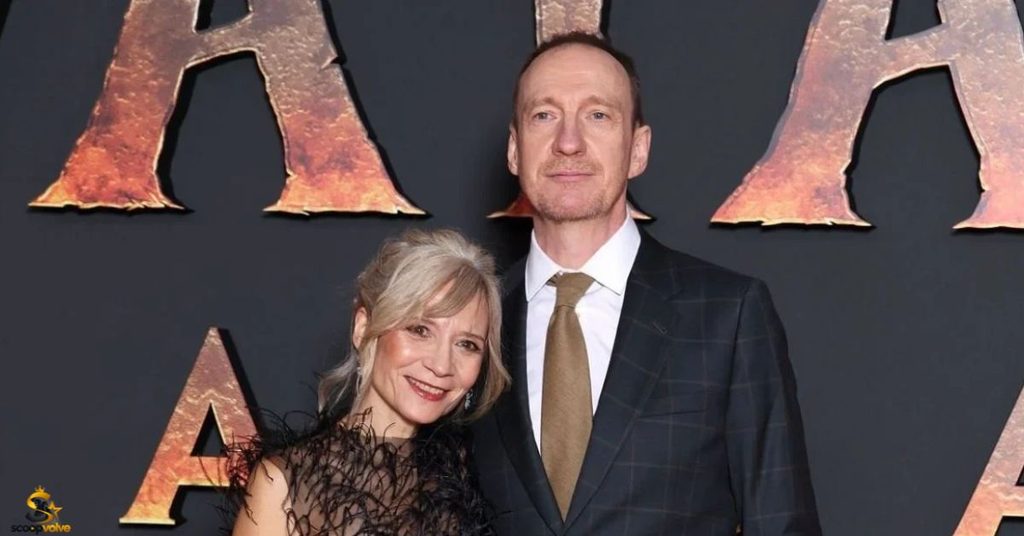
The contrast of design fame vs film fame helps explain why Poitou and Thewlis appear so differently in search results.
Film fame depends heavily on visibility. Actors appear in trailers, interviews, premieres, award ceremonies, promotional campaigns, and entertainment coverage. Their faces and names are repeatedly presented to audiences.
Design fame can operate differently. A designer’s work may be experienced by thousands or millions of people without those people knowing the designer’s name.
The Aimé Césaire station project is a useful example. RATP identifies Poitou as one of the graphic designers responsible for the fresco, giving her work a concrete public record without turning her into a mainstream celebrity.
This distinction is important when considering Hermine Poitou. A low public profile should not automatically be interpreted as a lack of professional achievement.
Creative work does not need entertainment publicity to have cultural value.
Read More:
What Is Known and What Should Stay Private
A responsible profile of Hermine Poitou should separate established facts from information that remains unconfirmed.
What can reasonably be stated includes:
- She is publicly described as French.
- She is a designer and creative professional.
- She is married to David Thewlis.
- People reported that they married in 2016.
- RATP identifies her as a graphic designer involved in the Aimé Césaire station fresco.
- The Guardian has discussed her in connection with Thewlis’s writing and creative process.
Other details deserve more caution.
There is limited authoritative information about her exact birth date, age, parents, siblings, personal finances, or everyday routine. When a reliable source does not establish a detail, there is no need to guess.
This is especially important with celebrity-adjacent biographies. There is no need to guess simply to make a profile appear more complete.
Why Quiet Creative People Matter
The story of Hermine Poitou also raises a larger question: why do audiences assume that every creative person should have a highly visible public profile?
Modern celebrity culture often rewards constant exposure. Social media, interviews, photographs, red carpets, and promotional appearances can make visibility seem synonymous with achievement.
But creative people contribute in many different ways.
Some build careers through:
- design;
- illustration;
- writing;
- photography;
- architecture;
- production;
- editing;
- art direction;
- behind-the-scenes creative work.
These roles can shape culture without producing household-name celebrities.
Poitou’s public record illustrates that difference. Her connection to Thewlis creates public interest, but her design work provides a separate reason to consider her as a creative professional.
David Thewlis’s Public Career Makes the Contrast Stronger
The public career of Hermine Poitou‘s husband makes the contrast particularly striking.
The Television Academy identifies Thewlis as an actor, director, screenwriter, and author. His career includes Harry Potter, Fargo, and other film and television projects, giving him a substantial international public profile.
The Guardian has also covered his creative work beyond acting. In an interview about his novel Shooting Martha, Thewlis explained that he read his writing aloud to his wife and that she would criticize it and suggest changes. That small detail provides an unusually useful glimpse of their creative relationship without turning their private life into a spectacle.
It also shows why reducing Poitou to a spouse is incomplete. Her role in that story is not simply relational; she appears as someone whose creative judgment mattered to Thewlis during his writing process.
A Better Way to Write About Hermine Poitou
A better biography should begin with evidence rather than assumptions.
For Hermine Poitou, that means recognizing two connected but distinct worlds: her design and creative work and her marriage to one of Britain’s best-known character actors.
A useful six-step approach is:
- Start with her own professional identity. Explain her design background before focusing on celebrity connections.
- Establish the marriage carefully. People reported the 2016 marriage, while Thewlis later discussed it publicly.
- Use institutional evidence. RATP’s documentation is stronger evidence of design work than repeated celebrity-site descriptions.
- Separate fact from speculation. Do not turn uncertain biographical claims into established facts.
- Respect private information. Limited public information should remain limited.
- Explain the larger context. Her story is interesting because of the contrast between creative privacy and film fame.
This approach creates a more useful public profile while avoiding the common weaknesses of celebrity writing.
What Readers Can Learn From Her Low Profile
The story of Hermine Poitou offers a simple lesson about public image: visibility is not the same as value.
A person can have a meaningful creative career without constantly appearing in entertainment news. They can be married to a famous actor without becoming a celebrity themselves. They can contribute to a public artistic project while maintaining a private life.
That matters in an age when online searches can make almost any personal detail feel discoverable.
A responsible writer should therefore ask a basic question before adding information: Is this detail useful, verified, and relevant?
If the answer is no, leaving it out is often the better choice.
The same principle applies to the Hermine Poitou David Thewlis wife search intent. Readers may initially want to know who she is because of Thewlis, but the strongest answer gives them enough context to understand her own creative identity too.
Final Thoughts
Hermine Poitou represents a less common kind of public story: a creative professional whose name became more widely searchable because of marriage to a globally recognized actor, while her own public profile remained comparatively restrained.
Her connection to David Thewlis explains much of the public interest. His work as an English actor, including Remus Lupin in Harry Potter and V.M. Varga in Fargo, has given him a level of film and television fame that naturally draws attention to his personal life. The Television Academy and The Guardian provide strong context for understanding that career.
Yet the more balanced story is not simply that of David Thewlis’s wife. It is the story of a French designer whose documented creative work exists alongside a deliberately limited public profile.
In 2026, that distinction is worth preserving. Hermine Poitou does not need an exaggerated celebrity biography to be interesting. The evidence already tells a more compelling story: design, creative work, a long-standing marriage, and the choice to keep much of private life genuinely private.