

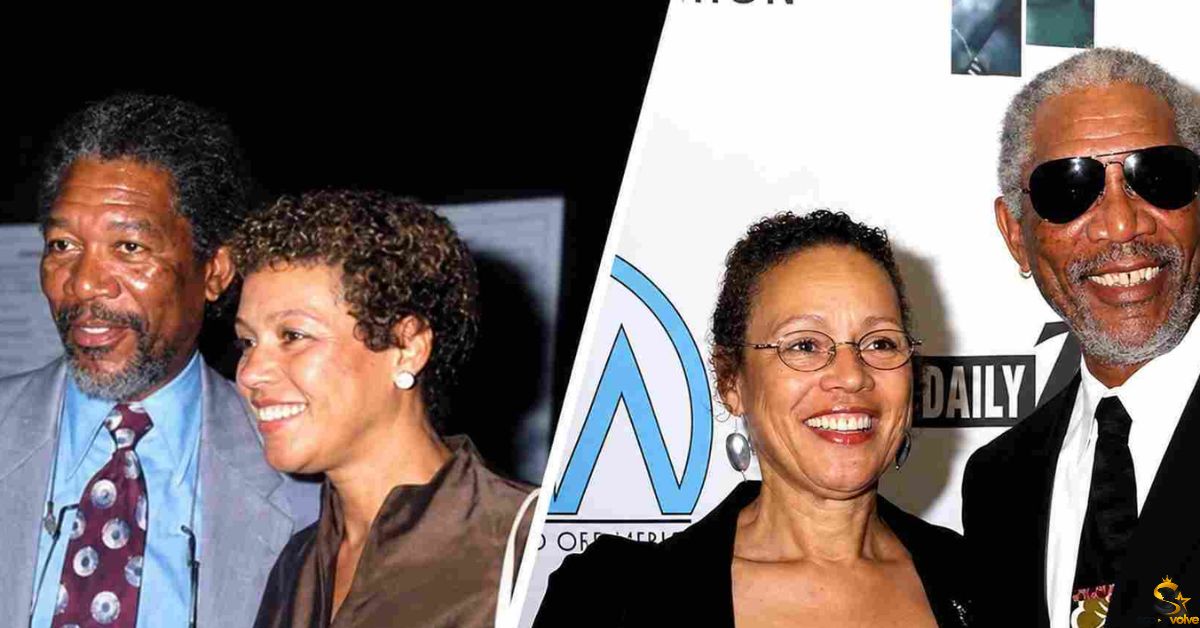
Myrna Colley-Lee is an American costume designer, visual artist, and arts advocate whose career has contributed to theater and the preservation of African American cultural heritage. Although many people recognize her as the former wife of actor Morgan Freeman, her professional achievements extend far beyond that relationship. She has designed costumes for numerous theatrical productions, supported arts organizations, and helped preserve historical clothing and theatrical materials for future generations.
Her work has received recognition in Mississippi, including the 2022 Governor’s Arts Award for Excellence in Costume Design and Arts Patron. From her education in visual arts to her involvement in Black theater and literary initiatives, her story highlights the influence of creative professionals who help bring powerful stories to life behind the scenes.
Quick Facts About Myrna Colley-Lee
| Fact | Details |
| Full Name | Myrna Colley-Lee |
| Nationality | American |
| Profession | Costume designer, visual artist, arts advocate |
| Birthplace | North Carolina |
| Undergraduate Education | BFA in art education |
| Graduate Education | MFA in scenic and costume design |
| Former Husband | Morgan Freeman |
| Marriage Date | June 16, 1984 |
| Separation | December 2007 |
| Divorce Finalized | September 15, 2010 |
| Notable Recognition | 2022 Governor’s Arts Award |
| Costume Collection | Mississippi State University |
| Arts Organization | Son-Edna Foundation |
| Design Company | Gladrags Designs |
Who Is Myrna Colley-Lee?
Myrna Colley-Lee is an established American theater professional whose work combines costume design, visual research, and cultural advocacy. She has built a career creating costumes for stage productions and contributing to the broader arts community, particularly in Mississippi.
Costume designers play an essential role in theater. They help establish a production’s historical setting, communicate a character’s personality, and support the director’s interpretation of a story. Their work involves research, artistic judgment, collaboration, and practical problem-solving.
Throughout her career, Colley-Lee has worked on productions involving a range of themes, including African American history, family relationships, and social change. Her experience has extended beyond designing garments to include collecting historical clothing, preserving professional materials, and supporting arts institutions.
Her career is especially notable because costume design often receives less public attention than acting or directing. While performers bring characters to life on stage, designers help create the visual details that make those characters believable.
The recognition she has received in Mississippi reflects the importance of her contributions to theater and cultural preservation. Her professional record offers a fuller picture of her life than celebrity coverage alone can provide.
Her Life Beyond Morgan Freeman
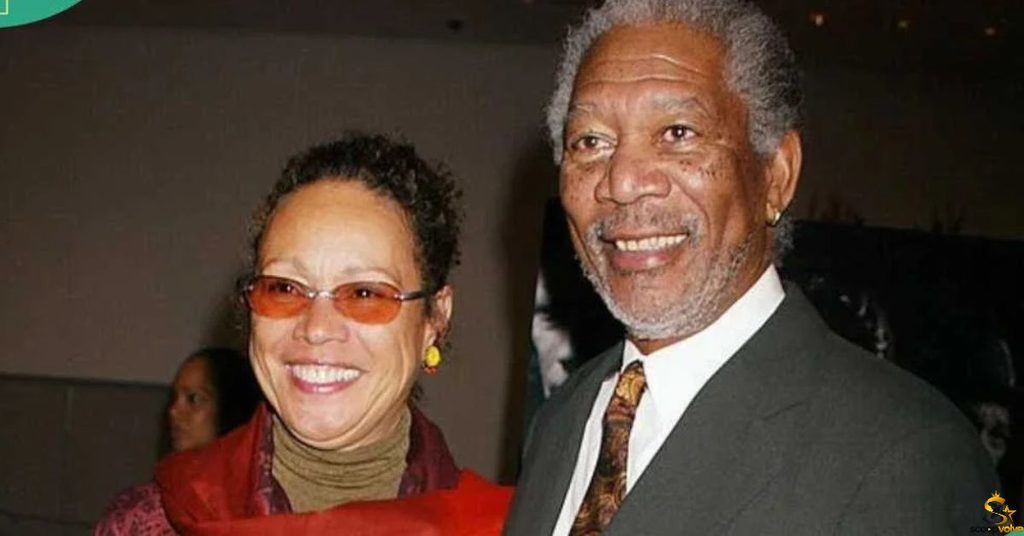
Public curiosity about Myrna Colley-Lee frequently centers on her former marriage to Morgan Freeman, the Academy Award-winning actor known for films such as The Shawshank Redemption, Driving Miss Daisy, and Million Dollar Baby.
However, her professional identity developed through her own education, creative work, and involvement in the arts. Her career includes costume design, participation in cultural organizations, and efforts to preserve materials connected to theater and historical clothing.
Her independent accomplishments include:
- Designing costumes for theatrical productions.
- Researching historical clothing and visual references.
- Preserving costumes, sketches, and related professional materials.
- Supporting arts organizations and cultural initiatives.
- Encouraging literary and creative activity in Mississippi.
The distinction matters because a person’s association with a famous public figure does not necessarily explain their professional achievements. Colley-Lee’s work demonstrates how artists can develop meaningful careers without seeking the public visibility that often accompanies celebrity.
Her story also highlights the importance of recognizing creative professionals whose contributions are visible in the finished production but whose names may be less familiar to audiences.
Early Life and Education
Colley-Lee was born in North Carolina and later became closely associated with Charleston, Mississippi, in the Mississippi Delta. Her educational background provided a foundation in visual art and theatrical design.
She earned a Bachelor of Fine Arts in art education from the Women’s College of the University of North Carolina at Greensboro. She also studied scene painting at Brooklyn College before completing a Master of Fine Arts in scenic and costume design at Temple University.
These fields require a combination of artistic ability and technical understanding. Art education provides a foundation in visual communication, while scene painting and theatrical design involve translating ideas into practical elements that work within a production.
Costume and scenic designers must consider the setting, historical period, character relationships, and overall atmosphere of a performance. They also need to coordinate their work with directors, actors, lighting designers, and other members of the production team.
In 2007, Colley-Lee received an honorary doctorate of creative arts from Mississippi State University. The recognition reflected her connection to the arts and her contributions to the cultural community.
Her education helps explain the breadth of her professional work. Rather than concentrating solely on clothing, she developed skills that connect costume design with visual storytelling and the wider theatrical environment.
How Costume Design Brings Stories to Life
Costume design is an important part of theatrical storytelling. Clothing can reveal a character’s background, social position, personality, and changing circumstances before the character speaks.
For a designer, the process begins with understanding the script. The designer studies the characters, setting, historical period, and emotional development of the story. Research then helps determine which clothing styles, colors, materials, and accessories are appropriate.
A typical costume-design process involves several stages:
- Script analysis: Identify the characters, relationships, setting, and important changes in the story.
- Historical research: Study photographs, clothing traditions, and period-specific details.
- Design development: Prepare sketches, choose colors, and explore suitable fabrics.
- Production collaboration: Coordinate designs with the director, actors, and other creative departments.
- Fitting and refinement: Adjust garments for movement, comfort, appearance, and performance requirements.
Stage costumes must look convincing under theatrical lighting while allowing performers to move naturally. They may also need to remain consistent across many performances.
These practical demands make costume design more complex than selecting attractive clothing. Every decision must serve the character and the production.
In plays involving historical events or cultural traditions, accurate research becomes particularly important. Clothing can communicate information about a community, a period, or a character’s circumstances without relying on lengthy explanations.
This connection between research and visual storytelling is central to understanding the value of Colley-Lee’s profession.
Myrna Colley-Lee and Black Theater
Black theater has played a significant role in expanding the representation of African American experiences on American stages. Productions have explored subjects ranging from family life and cultural identity to historical injustice, community traditions, and social change.
Within this tradition, costume designers help establish the visual details that make a story culturally and historically meaningful. Their work requires an understanding of the setting and the people represented, particularly when a production draws on specific historical periods or community experiences.
Colley-Lee’s career includes productions that examine African American life and history. Her work demonstrates how costume design can support the themes of a play while helping audiences understand the characters’ circumstances.
Designers must balance historical research with artistic interpretation. A costume may need to reflect a particular period while also allowing the audience to recognize a character’s individuality and emotional development.
This responsibility is particularly important in stories dealing with racial inequality and cultural heritage. Poorly researched costumes can weaken a production, while thoughtful design can strengthen its historical context.
Notable Theater Productions
The professional credits associated with Myrna Colley-Lee include established American plays, contemporary dramas, and musical productions. These works cover a wide range of subjects and demonstrate the variety of theatrical settings in which costume designers contribute.
| Production | Significance |
| The Piano Lesson | August Wilson’s drama explores family history, inheritance, and the legacy of slavery. |
| Gee’s Bend | A play associated with the lives and quilting traditions of African American women in Alabama. |
| The Ballad of Emmett Till | Addresses the murder of Emmett Till and its place in American racial history. |
| Wedding Band | Alice Childress’s drama examines an interracial relationship during segregation. |
| Fences | August Wilson’s play explores family responsibilities, racial barriers, and personal ambitions. |
| Ain’t Misbehavin’ | A musical revue celebrating music associated with jazz composer and pianist Fats Waller. |
| Relativity | A theatrical work centered on Albert Einstein and questions about his personal life. |
| Forest City | Included among her reported costume-design credits. |
| Becoming Adele | An Off-Broadway production associated with her costume-design work. |
These productions illustrate how costume design adapts to different genres. A musical may require coordinated looks that support movement and performance, while a historical drama demands attention to period clothing and social context.
For a play such as Fences, clothing can help distinguish generations, communicate economic circumstances, and reflect the characters’ changing relationships. In a production about historical injustice, costume choices can also help establish the time and social environment.
The designer’s contribution is therefore both visual and interpretive. Costumes support the story without competing with the performances.
Her Costume Collection at Mississippi State University
One important part of Colley-Lee’s legacy is the preservation of costumes and related materials connected to her professional career.
Mississippi State University maintains the Myrna Colley-Lee Costume Collection. The working costume collection is housed by Theatre MSU, while the university libraries hold a research collection containing theatrical costumes, antique clothing, and materials associated with her work.
According to the university, the preserved materials include professional papers and letters as well as clothing and costume-related resources. These collections provide opportunities for theatrical practice and historical research.
The collection has several important purposes:
- Education: Students can study clothing, design techniques, and theatrical materials.
- Research: Scholars can investigate costume design and production history.
- Preservation: Original garments and documents can remain available for future generations.
- Cultural history: Materials help illustrate the relationship between clothing, performance, and identity.
The preservation of theatrical costumes is particularly valuable because stage garments are not always kept after a production closes. They may be altered, reused, rented, or discarded.
Keeping costumes alongside drawings and related records helps researchers understand the creative process behind a finished production.
The collection also connects Colley-Lee’s individual career to the broader history of American theater. Rather than existing only as memories of past performances, the preserved materials can serve as tangible resources for learning and study.
Arts Advocacy and Community Involvement
Colley-Lee’s contributions extend beyond designing costumes. Her involvement in cultural organizations and literary initiatives reflects a broader commitment to supporting the arts.
She helped establish Son-Edna, an organization associated with highlighting African American writers. Her community involvement has also included the Rock River Foundation and the Charleston Arts and Revitalization Effort in Mississippi.
According to a Mississippi legislative resolution recognizing her achievements, she served for many years on the Mississippi Arts Commission board and held appointments connected with the Mississippi Museum of Art and the National Board for the Center for Art and Public Exchange. The resolution also identifies her professional design company as Gladrags Designs.
These activities show how artists can contribute to cultural life in ways that extend beyond their individual creative work. Arts organizations help preserve local traditions, introduce audiences to new work, and create opportunities for writers and artists to develop their skills.
Community-based cultural initiatives can be particularly important in smaller towns and rural areas, where access to major arts institutions may be limited.
Colley-Lee’s connection to the Mississippi Delta places her work within a region with a rich history of music, literature, visual art, and storytelling. Supporting cultural initiatives in such communities can help preserve local heritage while encouraging new forms of creative expression.
Awards and Professional Recognition
In 2022, Colley-Lee received the Governor’s Arts Award for Excellence in Costume Design and Arts Patron. The Mississippi Arts Commission lists her among the recipients for that year.
The award recognizes two closely related aspects of her work: her achievements as a costume designer and her support for the wider arts community.
Professional recognition is important in theater because many designers work behind the scenes. Their contribution may be essential to a production’s success, even when audiences primarily associate the finished work with its actors or director.
Her honorary doctorate from Mississippi State University also forms part of her public record of recognition.
Together, these honors reflect a career that combines practical design work with service to cultural institutions and creative communities.
They also reinforce the importance of viewing costume design as a serious artistic discipline. It requires research, technical skill, creative judgment, and the ability to collaborate across different areas of production.
Myrna Colley-Lee’s Marriage to Morgan Freeman
Colley-Lee married actor Morgan Freeman on June 16, 1984. Their relationship became a subject of public interest as Freeman’s career grew and he became one of Hollywood’s best-known performers.
Freeman is recognized for his work in films such as The Shawshank Redemption, Driving Miss Daisy, and Million Dollar Baby. His international fame naturally brought attention to his personal life, including his marriage to Colley-Lee.
The couple separated in December 2007. Divorce proceedings were filed in 2008, and a judge finalized the divorce on September 15, 2010. Contemporary reporting confirmed the date and noted that the settlement terms remained sealed. <Cite refs={[“turn463751search0″,”turn463751search2”]}/>
Their marriage lasted approximately 26 years. However, publicly available information about the private circumstances of their relationship is limited, and it is important not to present speculation about the reasons for their separation as established fact.
The marriage remains an important part of Colley-Lee’s biography because it explains much of the public interest in her life. Nevertheless, it does not define the full scope of her professional accomplishments.
Private Life After the Divorce
Following the divorce, Colley-Lee has generally maintained a lower public profile than many people associated with Hollywood celebrities.
Reliable public information about her day-to-day activities, current relationships, and finances is limited. Claims about her personal circumstances should therefore be treated cautiously unless supported by credible reporting or official records.
Her professional achievements offer a more reliable basis for understanding her public legacy. Theater credits, university collections, cultural organizations, and official awards provide concrete evidence of her work.
This distinction is especially important in celebrity biographies. Online articles sometimes repeat unverified details about a person’s wealth, residence, relationships, or activities simply because readers are curious.
A responsible account should separate confirmed information from assumptions and acknowledge when a detail is not publicly established.
In Colley-Lee’s case, her contributions to costume design and cultural preservation provide a substantial story without requiring speculation about her private life.
The Death of E’dena Hines
E’dena Hines, Morgan Freeman’s step-granddaughter, died in New York City on August 16, 2015, at the age of 33. Her death became the subject of extensive news coverage and a criminal investigation.
Hines was the granddaughter of Freeman’s first wife and part of his extended family. Lamar Davenport, her boyfriend, was later convicted in connection with her killing.
The tragedy was a painful event in the family’s public history. It should be discussed with care and without sensational details that do not contribute to understanding the circumstances.
Although Hines’s death is sometimes mentioned in articles about Freeman and his former wife, it is not a defining part of Colley-Lee’s professional biography. Including the event briefly provides context while keeping the focus on the subject’s own life and achievements.
Respectful reporting recognizes the seriousness of the loss and avoids treating a person’s death merely as celebrity-related content.
Why Myrna Colley-Lee’s Legacy Matters
The significance of Colley-Lee’s career lies in the combination of theatrical design, cultural preservation, and arts advocacy.
Her work matters for several reasons:
- Theater: Her costume-design career has contributed to productions across a variety of theatrical settings.
- Cultural representation: Her professional work includes stories exploring African American life, history, and identity.
- Historical preservation: The collection associated with her name provides resources for research and theatrical education.
- Arts advocacy: Her involvement with cultural organizations and literary initiatives supports a wider creative community.
- Professional recognition: Her 2022 Governor’s Arts Award acknowledges her contribution to costume design and arts patronage.
Her career also illustrates the value of creative collaboration. A theatrical production relies on many people whose work may not receive the same public attention as the performers. Costume designers help translate historical research and artistic ideas into visual details that audiences can understand.
The preservation of her professional materials ensures that aspects of this work remain available for study rather than disappearing when individual productions end.
For readers interested in Black theater, American costume design, or Mississippi’s cultural history, her career provides a meaningful example of how artistic practice can connect performance with education and preservation.
Final Thoughts
Myrna Colley-Lee’s story extends far beyond her former marriage to Morgan Freeman. She has developed a career in costume design, contributed to theatrical productions, supported cultural organizations, and helped preserve materials that can benefit future artists and researchers.
Her education in visual arts and theatrical design provided the foundation for work that combines research, creativity, and collaboration. Her involvement in Black theater highlights the role designers play in representing cultural and historical experiences on stage.
The collection preserved at Mississippi State University adds another dimension to her legacy by making costumes and related materials available for learning and research. Her community involvement and professional recognition further demonstrate the breadth of her contributions.
Ultimately, her life is best understood through the work she has created and the cultural resources she has helped support. Her achievements show why costume designers and arts advocates deserve recognition as important contributors to American theater.
Frequently Asked Questions
Who is Myrna Colley-Lee?
Myrna Colley-Lee is an American costume designer, visual artist, and arts advocate. She is known for her theatrical design work, contributions to cultural organizations, and the preservation of costumes and professional materials associated with her career.
What is Myrna Colley-Lee famous for?
She is known for designing costumes for theatrical productions and supporting arts and cultural initiatives. She is also recognized for the costume collection maintained by Mississippi State University and for receiving the 2022 Governor’s Arts Award for Excellence in Costume Design and Arts Patron.
Was Myrna Colley-Lee married to Morgan Freeman?
Yes. She married Morgan Freeman on June 16, 1984. They separated in December 2007, and their divorce was finalized on September 15, 2010, after approximately 26 years of marriage.
What is the Myrna Colley-Lee Costume Collection?
It is a collection maintained through Mississippi State University. Theatre MSU houses a working costume collection, while the university libraries preserve a research collection of theatrical costumes, antique clothing, and materials associated with Colley-Lee’s professional work.
What did Myrna Colley-Lee study?
She earned a Bachelor of Fine Arts in art education, studied scene painting at Brooklyn College, and completed a Master of Fine Arts in scenic and costume design at Temple University. Mississippi State University later awarded her an honorary doctorate of creative arts.
Why is Myrna Colley-Lee important to the arts?
Her contributions include theatrical costume design, cultural preservation, and support for arts and literary organizations. Her career demonstrates how designers and advocates help preserve artistic traditions and bring historical and contemporary stories to audience